Why Asphalt Shingles Blister in Michigan and How to Fix Them
Alsup's Construction, LLC • August 5, 2026
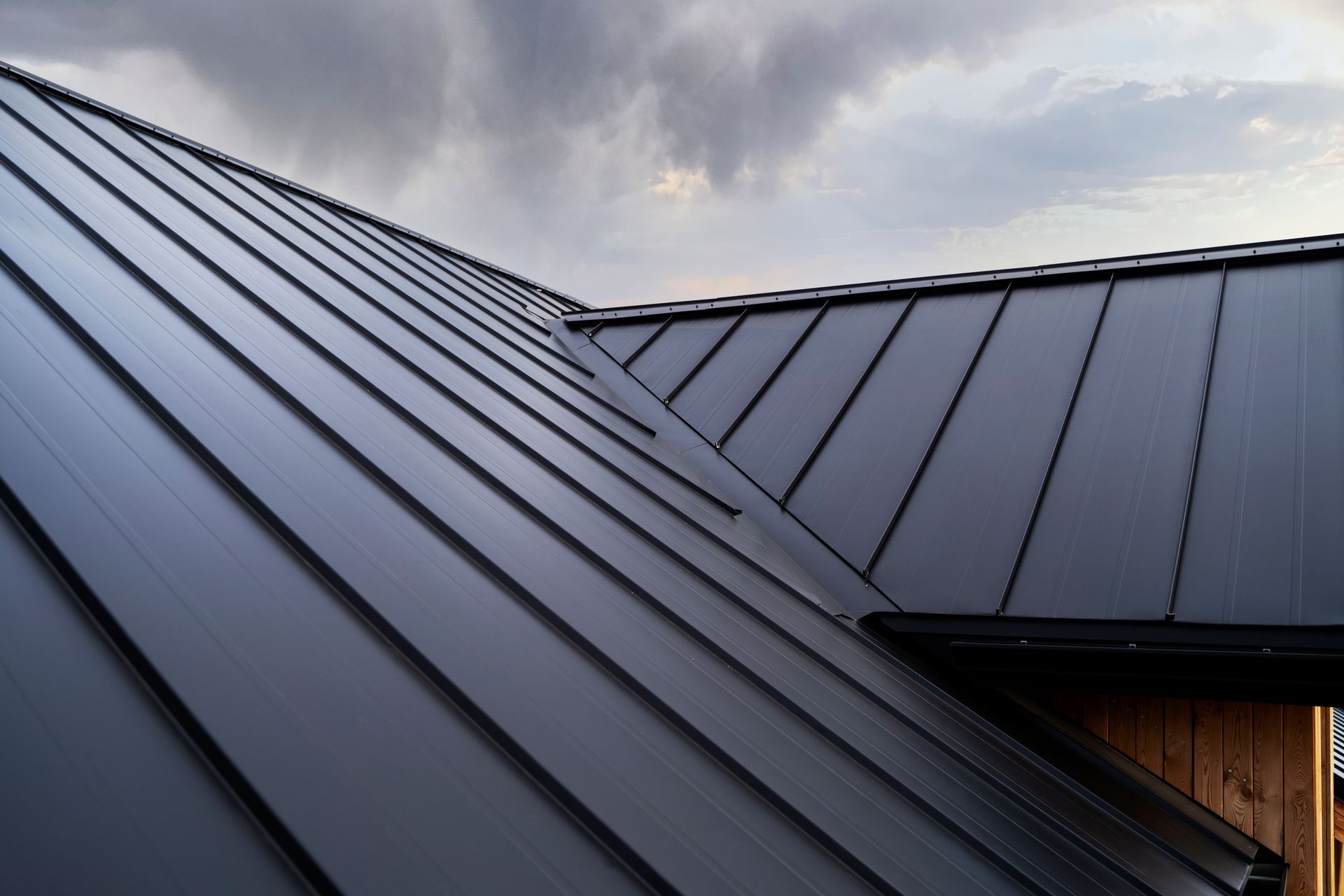
Summer weather in Michigan pushes roofing materials to their limits. Homeowners often spot raised bumps on their asphalt shingles and assume it is just normal wear and tear. At Alsup's Construction, LLC, we see this specific type of damage peak during the hottest weeks of the year. Blistering happens when trapped gases or moisture expand under the intense sun.
Ignoring these small raised bumps leaves the roof deck vulnerable to water intrusion when the autumn rains begin. A blistered shingle loses its protective granules fast, exposing the fragile matting underneath to harsh weather. Understanding why this happens helps prevent premature roof failure. We are going to look at the root causes and outline the correct way to handle the damage.
What We Cover:
- The Role of Poor Attic Ventilation
- Trapped Moisture and Manufacturing Flaws
- Why DIY Roof Fixes Make Things Worse
- Can you fix blistered roof shingles without replacing the roof?
- Protecting Your Home for the Long Haul
The Role of Poor Attic Ventilation
Heat needs a reliable way to escape your attic during a humid Michigan summer. When intake and exhaust vents are blocked or undersized, the attic bakes the roof from the inside out. This extreme heat transfer causes the volatile compounds inside the asphalt shingles to expand and pop. Installing proper ridge vents and ensuring your soffits are clear can stop this destructive cycle.
→ A quick tip to remember: A roof that gets dangerously hot from below will burn through its expected lifespan in half the time.
Trapped Moisture and Manufacturing Flaws
Sometimes the problem starts before the materials ever make it onto your house. If the shingles were exposed to heavy rain during the manufacturing process or while sitting on a supplier lot, moisture gets trapped between the internal layers. Once the hot sun hits the roof, that moisture turns to vapor and pushes its way out. This internal pressure creates surface pockmarks that look very similar to severe hail impacts.
→ From a professional standpoint: Blisters caused by manufacturing defects usually show up within the first year of a new roof installation.
When getting to the root of a roofing failure, homeowners want reassurance that the replacement will actually last. We hear this concern regularly when inspecting weathered roofs in the Lake Orion area.
► Client Experience: We Love our new look! Shane and his crews did an outstanding work on our home. New roof, New rooflines and overhangs. James hardy board siding. Soffit & fascia and gutters too. Their team was a pleasure to work with and always made sure we were good to go as the project progressed. Quality workmanship a lost art. I don't do reviews early on, as it's good to make sure the workmanship will hold the test of time. Well, it's been a year, and all is wonderful still! Thank you to Shane and his crew. We will see you soon for our next project.
Seeing a project hold up to the elements proves the value of taking the time to do the job right the first time.
Why DIY Roof Fixes Make Things Worse
Grabbing a ladder and a tube of sealant is a common response to spotting roof damage. Smearing thick roofing cement over a blistered shingle traps even more heat and prevents the material from expanding naturally. Walking on a sun-baked roof also dislodges the protective granules on the surrounding healthy shingles. This turns one isolated problem area into a widespread failure that requires costly structural repairs and potential gutter installation work if debris clogs the drainage.
Can you fix blistered roof shingles without replacing the roof?
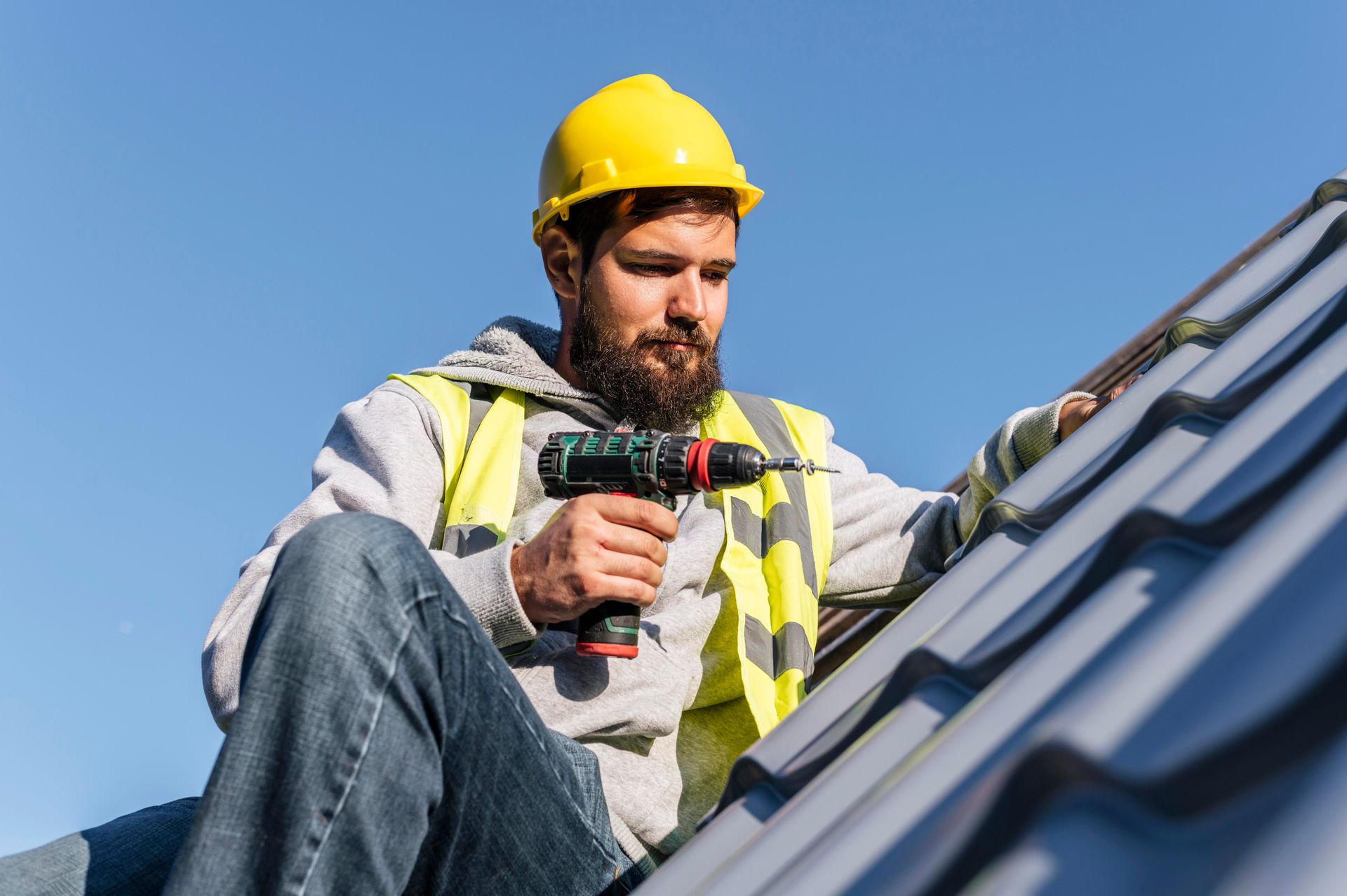
If the blistering is contained to a few individual pieces and the granules are still intact, a professional can swap out those specific shingles. We carefully break the adhesive seal on the affected row, remove the damaged materials, and slide new ones into place. However, if the blisters have popped and the shingle matting is exposed across a wide area, a full roof replacement is the only reliable fix to keep water out of your living space.
Protecting Your Home for the Long Haul
Addressing roof wear early stops small leaks from rotting your underlying wood decking. Taking care of blistering issues now means you will not be caught off guard when the heavy snow arrives later this year. Reach out to our crew to get an honest assessment of your roof condition before the seasons change.
Share This Blog